
We work to increase trust in science, remove poor proxies and help researchers produce rigorous, reliable, science
The problem
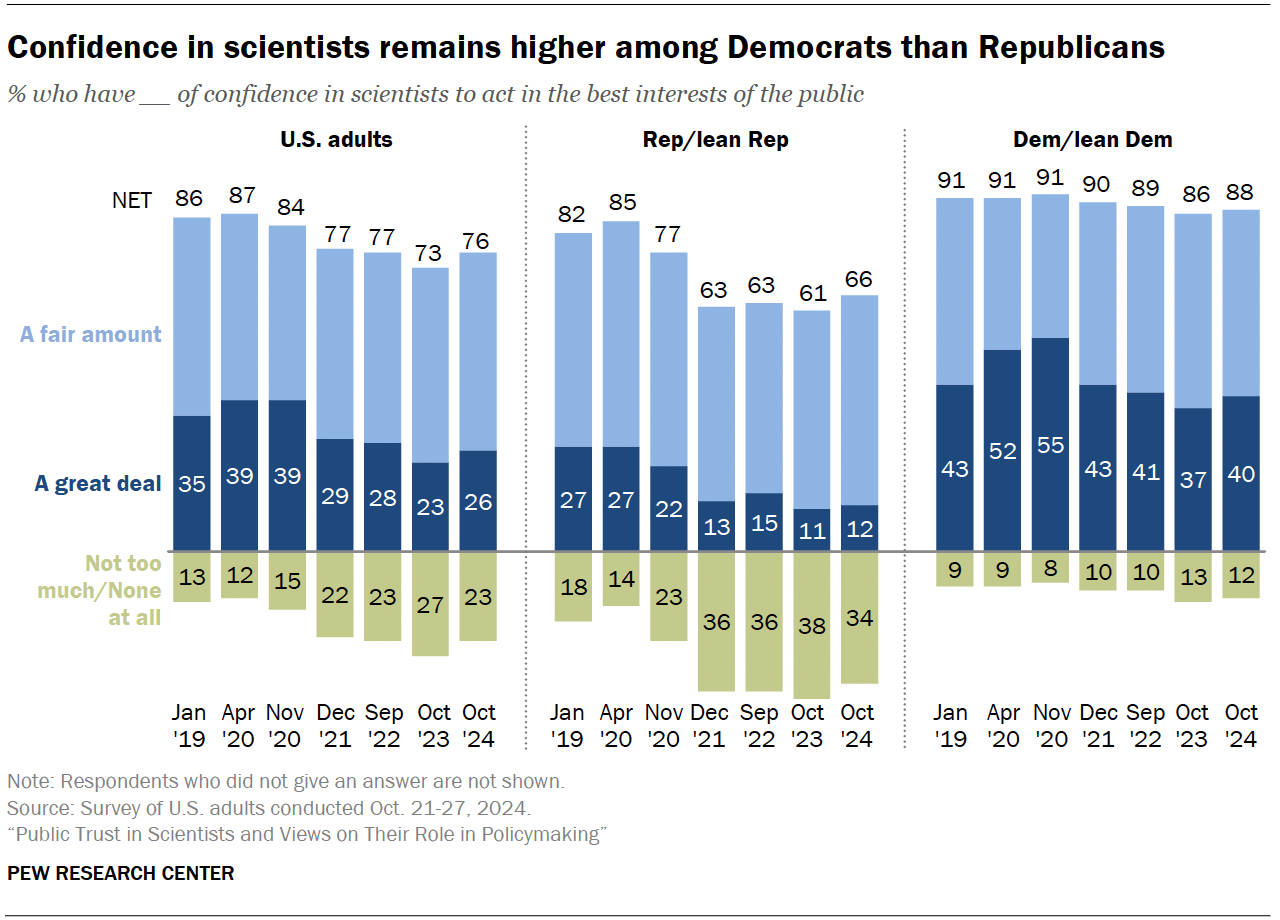
Public trust in science is experiencing a noticeable decline. While confidence in scientists remains relatively high, skepticism is growing around scientists’ values, biases and motivations. This erosion of trust is further fuelled by political intervention, concerns about transparency, AI use and journal business models. Thus far, peer review has been the lone marker for the trustworthiness of a scientific article. However, evidence clearly demonstrates that peer review fails in this task.
Trusted research is rigorous, transparent and fairly assessed, judged by a range of indicators
The solution
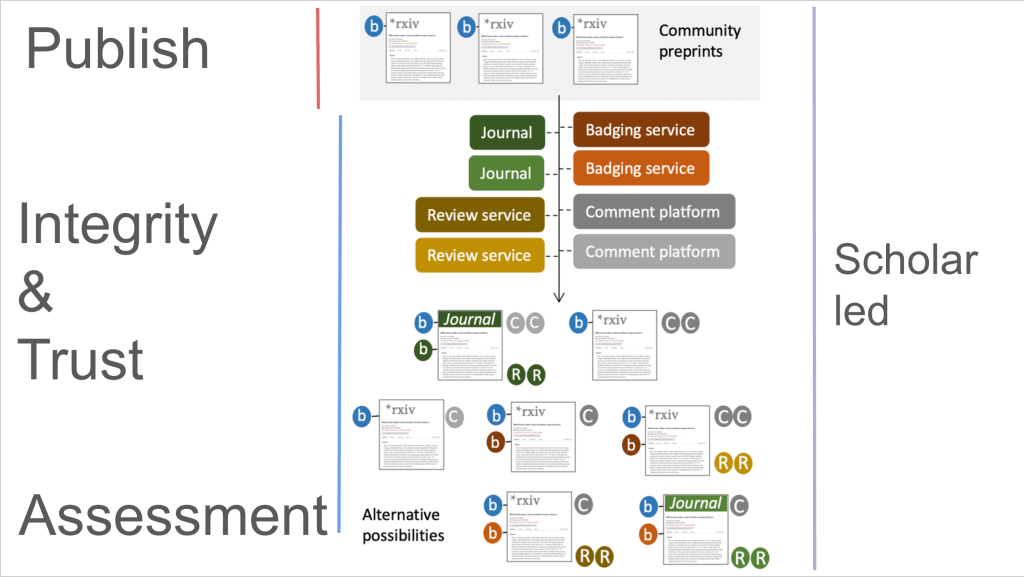
To improve trustworthiness of scientific findings, the publishing system and institutional rewards must both be overhauled. This includes moving away from poor proxies such as impact factors or citation counts. We must move towards a variety of trust indicators for an article, instead of relying only on peer review. Transparency is a vital component to trustworthy research as is appropriate post-publication forensic scientometric analyses.
How we’re changing things




What we’re doing

Training & Resources
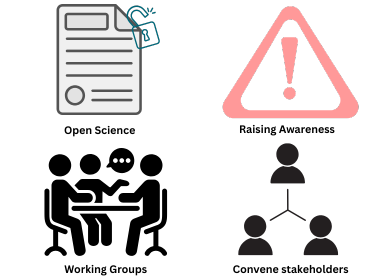
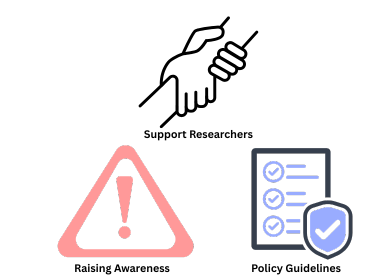
We provide training in rigorous and open science

Community
We bring people together for collective action to boost preprint recognition and adoption
awareness
We raise awareness of problems with peer review and offer solutions for better trust signals
Frequently Asked Questions
If trust remains relatively high is this still an issue?
Yes. Trust in researchers has fallen and become highly politicalised. Trust in individual research articles is an additional issue and has become strained with the rise of AI, failing peer review and paper mills.
What factors contribute to declining trust in research?
Research misconduct, lack of transparency in methods and data, perceived conflicts of interest or bias, unreliable results and political or commercial influence are all key factors contributing to declining trust in research.
What should the public expect from researchers to ensure trustworthiness?
The majority of research is publicly funded and should be accountable to the public. This should be achieved through; honest and transparent reporting of results, ethical conduct throughout the research process, clear communication about potential risks and benefits, and accountability for any errors or misconduct
How do conflicts of interest affect trust in research?
Undisclosed financial or personal interests can undermine the objectivity of research. Transparent disclosure is crucial for maintaining credibility and public trust.
Why is trust important in research?
Trust is the foundation of effective scientific progress. It enables collaboration among researchers, encourages public participation, and ensures that findings are accepted and used to inform policy and practice.
Who is responsible for ensuring trust in research?
All stakeholders have a responsibility to ensure research is trustworthy. Funders & institutions must ensure researchers are held accountable, researchers must engage transparently and publishers must ensure swift removal of fraudulent research articles.
What is the difference between being trusted and being trustworthy?
Being trusted means enjoying confidence from others, while being trustworthy means consistently acting with integrity and deserving that confidence. Sustainable trust in research relies on a culture of trustworthiness, not just public perception.
What role does reproducibility play in trustworthy research?
For some fields and contexts, reproducibility can improve trustworthiness of findings, for example through replicable code, detailed methods and annotated data in public repositories.
However, in the life sciences general reproducibility (for example of findings) has the potential to undermine trust and this should not be the goal.
How can researchers build and maintain trust?
Uphold integrity and honesty in all research practices, be transparent about methods, data, and funding sources, engage in open peer review, disclose conflicts of interest,and communicate findings clearly and responsibly to the public – including uncertainty and limitations.
Does research suffer from a reproducibility “crisis”?
There is some data to suggest that specific fields (such as psychology) may have issues with reproducibility. However, claims of a “crisis” or suggestions that these issues are across all fields are not based on evidence. For example, a recent study investigating reproducibility in the Drosophila research field found that the field is highly reliable and reproducible1,2 . Studies on reproducibility do however highlight issues with reporting, collaboration and lack of details in methods which are all important issues to address.

Join Us!
Join our community, sign up to our newsletter or collaborate with us
 Rippling Ideas