Preprints have the potential to revolutionise publishing, research assessment, trust and the culture of academia

Preprint facts
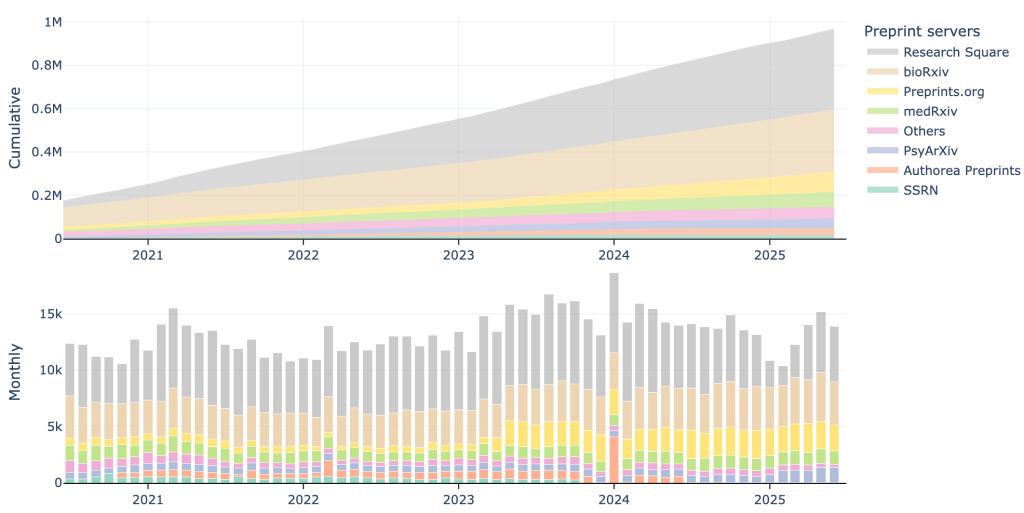
Preprint adoption continues to grow rapidly, enhanced by the COVID-19 pandemic

Life science preprints
based on Europe PMC Data (July 2025)

preprints associated with preprint peer reviews
based on data from Sciety (2024)

of the biomedical literature is first preprinted
based on Europe PMC Data (2024)
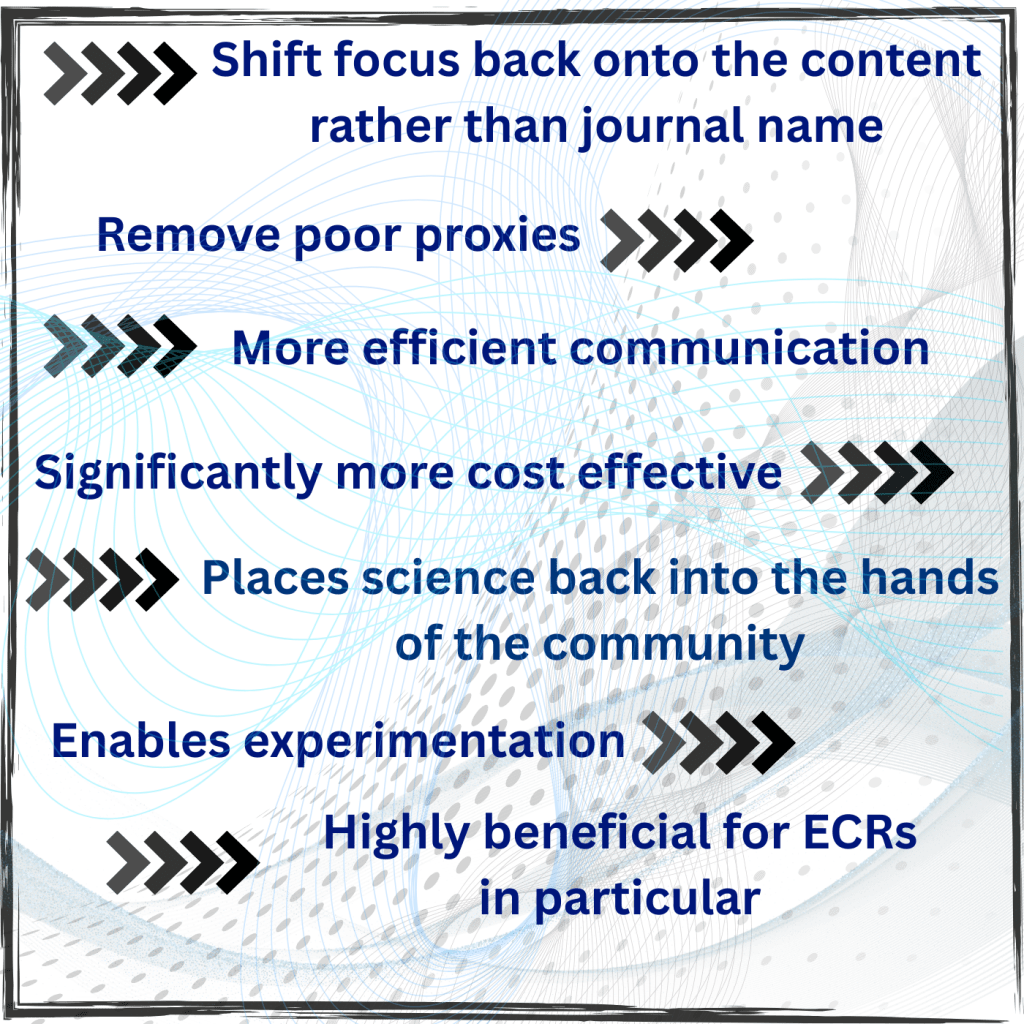
The Benefits of Preprints



Increased Equity
Preprints reduce barriers and re-focus attention onto the content rather than where a study was published

Empower ECRs and authors
Preprints put the decisions back into the hands of authors, not gatekeepers1

Priority Claim
Preprints receive a DOI, helping to establish priority. Preprints can also be cited

Proof of Productivity
Preprints can be used to prove productivity in grant and fellowship applications

Feedback
Feedback can be provided confidentially to authors or more formally through preprint review services

New Collaborations
Preprints facilitate new collaborations and research directions

Streamline Paper Submission
Preprints are available within 48 hours of submission and can be sent directly to journals
Preprints & Public Health Emergencies
Preprints proved to be a life-saving communication route during the COVID-19 pandemic.
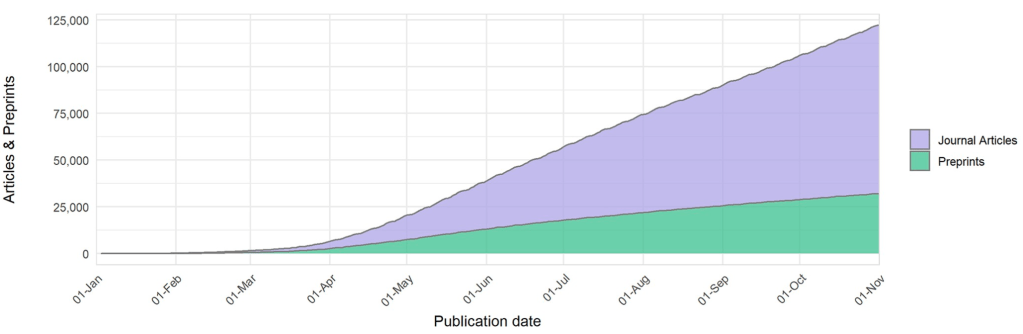
During the first few months of the pandemic, ~40% of COVID-19 research was first shared as a preprint, ensuring rapid and free access to the latest knowledge. These preprints were as reliable as the peer reviewed literature.
Learn more and listen to Preprints in Motion to hear from active researchers about why they preprint their work
 Rippling Ideas