Experiments in improving peer review are essential to avoid a complete breakdown in this system.
The problem
Opaque peer review obscures important comments from peers regarding scientific findings. Repeated rounds of peer review strain and deplete an already limited reviewer pool, resulting in lower quality reviews. By only sharing positive reviews, readers are denied essential information about potential errors. This also reduces the value of peer review as an academic activity, limiting the rewards associated with such work.
In addition to this, peer review fails to prevent fraud, detect gross defects or poor studies being published, despite being often touted as “protecting” the literature.
The solution
A range of experiments and new approaches to peer review have sprung up, particularly since 2019. Most of these focus on improving the efficiency of the peer review system and moving towards transparency.
Preprints have enabled even greater experimentation to occur, with over 20 preprint review services now active. This enables authors to choose the review service they want – and opens the possibilities of a new and improved system of peer review that focusses on feedback instead of gatekeeping.
Benefits of improving review

More efficient process for researchers

Greater transparency in the research process

Greater choice for authors
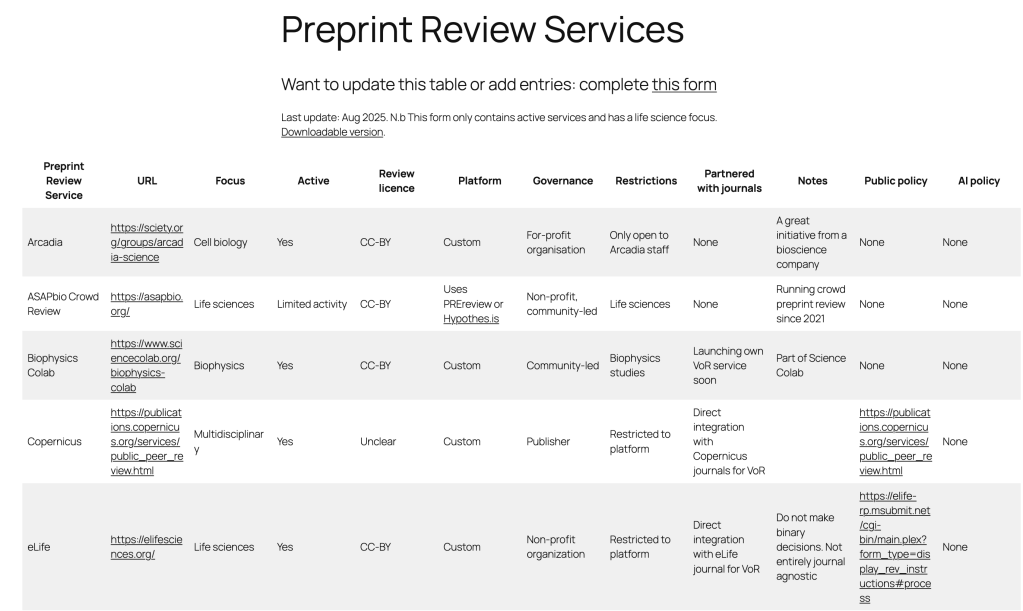
Organisations involved in preprint peer review








Get Involved
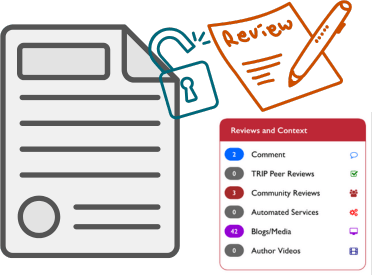
Review preprints
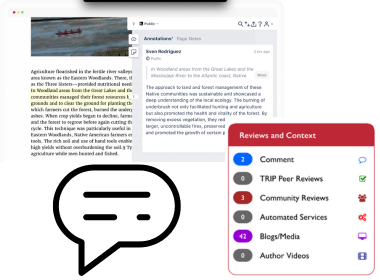
Comment on preprints

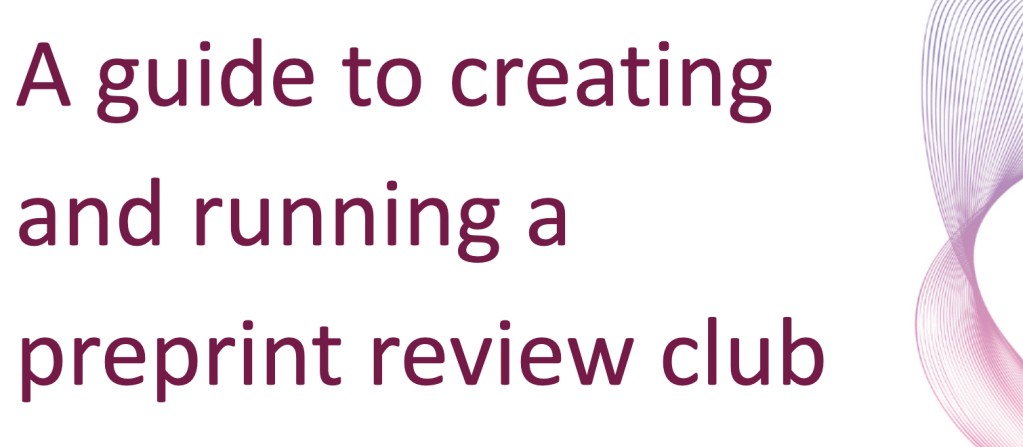
Start or join a preprint review club
Resources
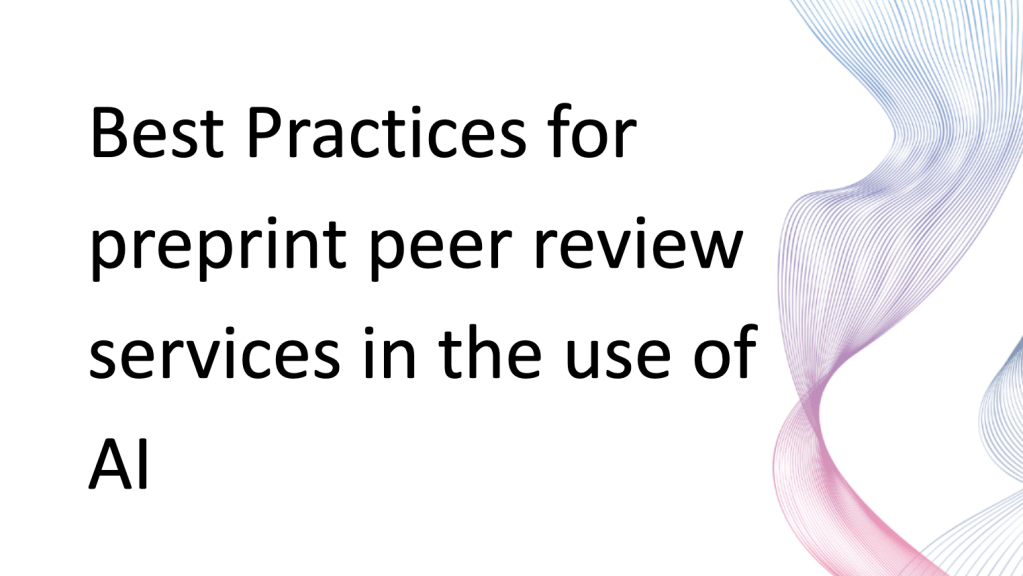

Frequently Asked Questions
What is transparent peer review?
Transparent peer review is a process where the exchanges between reviewers, authors, and editors are published alongside an article. Reviewer identities typically remain anonymous unless they opt to disclose their names. This is compatible with journal articles or preprints.
Importantly, transparency alone is not sufficient, and introduces potential unintended problems. Surfacing and making reviews accessible to readers is a vital component.
What are the main benefits of transparent review?
Transparent peer review promotes accountability among authors, reviewers, and editors; allows readers insight into the review process and decision-making, increasing trust in the research; provides educational value, especially for early-career researchers; helps identify potential biases and improve rigour in reviews and the process of peer review itself.
Are reviewers identities disclosed?
No. Reviewers stay anonymous unless they choose to sign their reports. We would encourage reviewers to sign their reviews as often as possible.
Is transparent peer review compatible with double-anonymised peer review?
Yes. The main peer review can be double-anonymised to ensure impartial evaluation, while the transparency applies to post-publication.
Can reviewers opt out of transparent review?
By agreeing to review for a journal offering transparent peer review, reviewers consent to have their comments published anonymously.
Are preprint peer review reports public?
Yes. Some servers and peer review services publish reviews before (& regardless of) journal publication, making the process highly transparent and more efficient. Additionally, some servers and indexers will highlight preprint reviews alongside the preprint.
What is preprint peer review?
Peer review of preprints occurs when experts (journal-coordinated or from the community) review manuscripts posted on preprint servers, sometimes openly and sometimes anonymously. These reviews may be published alongside the preprint or incorporated if the manuscript progresses to formal publication
What are the benefits of preprint peer review?
Preprint peer review accelerates research communication and feedback; allows early input from the wider scientific community; enhances the rigour of manuscripts before journal submission.
Do preprint reviews prevent publication in a journal?
No. Some journals will even accept the preprint review to save time finding new reviewers.
Can my preprint with reviews be sent to journals?
Yes! Many journals integrate with the preprint review services and will use the review provided through the independent service in making their decision around accepting or rejecting the submission. This makes the process much more efficient.

Join Us!
Join our community, sign up to our newsletter or collaborate with us
 Rippling Ideas