
In addition to providing positive incentives, problematic behaviours also need to be directly addressed.
The problem
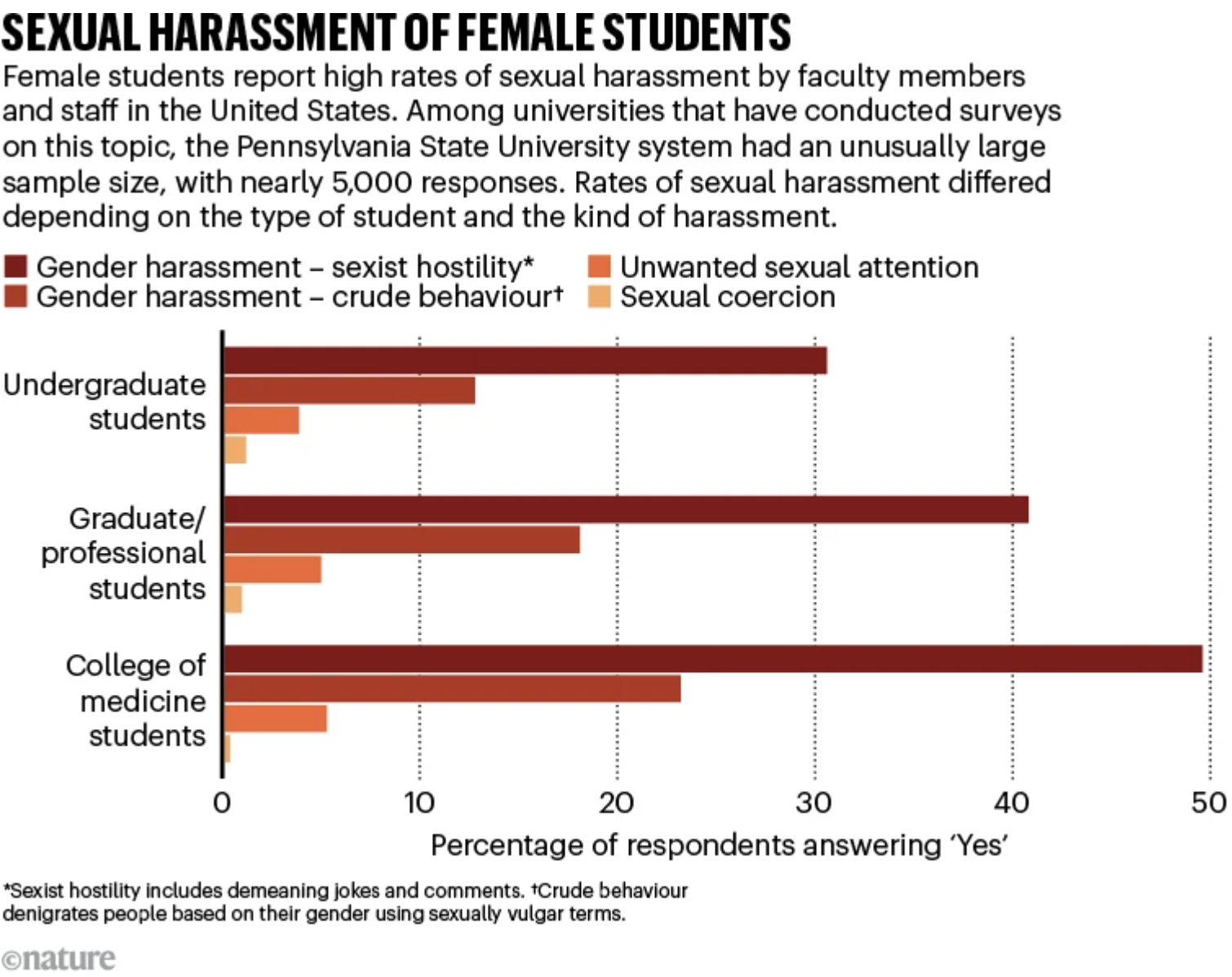
Academia suffers from a range of problematic behaviours. These originate from the hierarchical power structures, small fields, pressure, career structure and more. These problematic behaviours range from inappropriate comments to bullying to sexual harassment.
Although institutions have policies and practices in place to report these behaviours, they are too often ignored or not correctly dealt with. PIs with “big names” or large grants all too frequently appear to be untouchable.
The solution
It is clear that reporting guidelines, and consequences, need to be more transparent and known to all students and staff. It is also important to support the creation of safe environments and spaces that ECRs (& others) can discuss problems.
One key development would be to professionalise academia and create an independent regulator, similar to the General Medical Council that oversees medical doctors in the UK. This would limit institutions from allowing poor behaviours to continue and would remove the worst offenders from academia, regardless of their status or grants.
Additionally, we aim to help new PIs establish a healthier culture in their groups through training and resources.

Our current efforts

Establishing clear, transparent, reporting guidelines

Holding unacceptable behaviour to account

Supporting the establishment of a healthier culture within labs and departments
Resources
Frequently Asked Questions
Why is bullying and harassment common in academia?
Power imbalances, competitive cultures, precarious employment, and a lack of accountability can perpetuate bullying and harassment. Junior researchers often depend heavily on senior staff for their career progression, making them particularly vulnerable to abuse
What are examples of unacceptable behaviour in academia?
Unacceptable behaviours in academic settings include bullying, harassment, abuse of power, discrimination, exclusion, intimidation, belittling, excessive pressure, unethical conduct, academic dishonesty (such as plagiarism), microaggressions, and sexual misconduct. These actions undermine both individual well-being and institutional integrity
What forms does academic misconduct take?
Academic misconduct includes plagiarism, collusion, contract cheating (using third parties or AI to complete work), fabrication or falsification of data, exam cheating, and impersonation. Such acts not only violate trust but also damage the reputation and value of academic institutions
How does problematic behaviour affect academia?
These behaviours foster a toxic work culture, damaging mental health, impairing career development, and sometimes even leading to lasting psychological harm or lost careers. They also threaten scientific progress by silencing creative voices and rewarding conformity over originality
Why do problematic behaviours often go unreported?
Fear of retaliation, lack of effective reporting systems, and institutional inertia can discourage people from coming forward. Sometimes, perpetrators hold influential positions, making change harder. There is also a perception that those in power are untouchable and can do whatever they wish.
Are these issues unique to academia?
Sadly not. These are common issues across the world in many careers and society. The manner in which academia works however does foster these behaviours. The lack of any external regulation also limits change and accountability.

Join Us!
Join our community, sign up to our newsletter or collaborate with us
 Rippling Ideas