
Academia is not currently an equitable environment. Diversity and inclusion is a vital component of science and progress
The problem
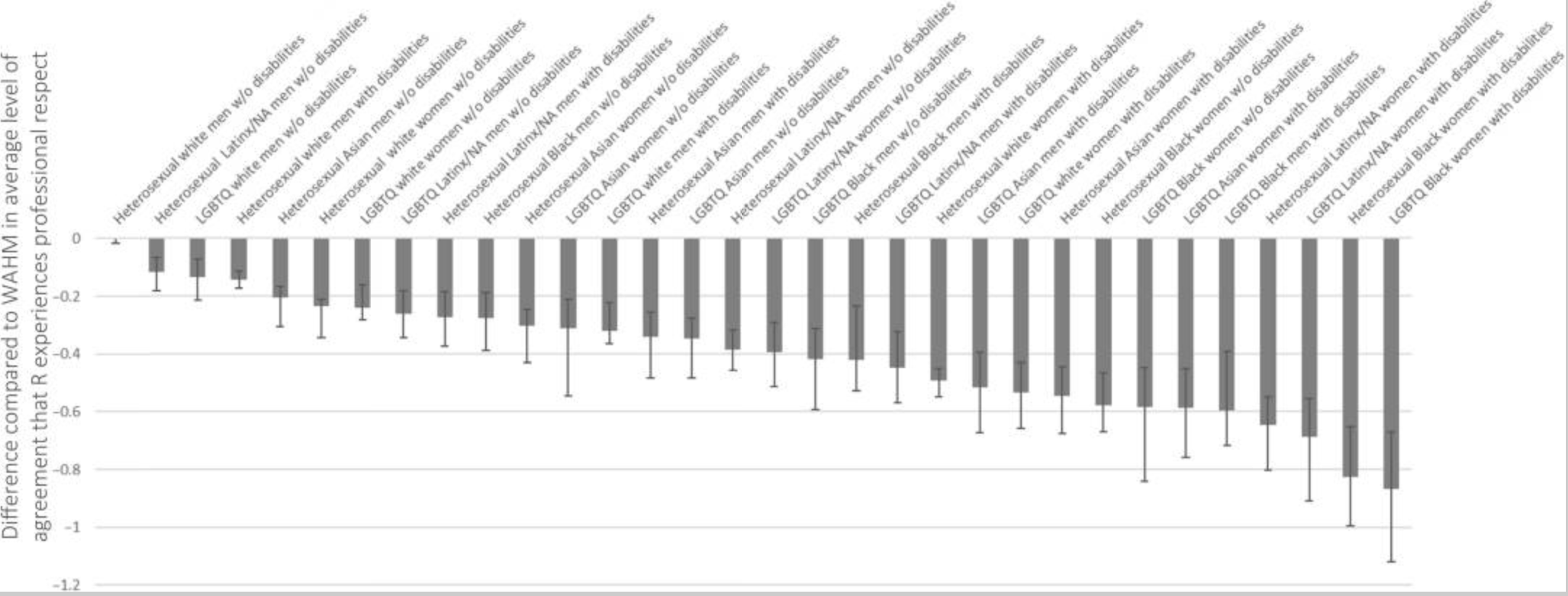
Academia holds significant advantages for white, cis-males above all other groups. This ranges from publication advantages to career advancement and even respect1. Studies have revealed that some male academics are actively avoiding “service” responsibilities or deliberately performing poorly, placing a much higher burden on female academics.
The hidden curriculum adds to inequality by keeping knowledge restricted to landing in the right environments and unevenly distributing training.
At a time when the USA is attacking science and academia by targeting diversity and inclusion, it is critical that strong voices stand against such actions. A less diverse academia is a poorer academia.
We want to provide a voice to those who are marginalised and not heard from enough.
The solution
To tackle the issue of “service” tasks, we must change the rewards and recognition systems in academia. But this cannot occur in an equitable manner if voices from marginalised groups are not included in discussions from the earliest stages.
We work to enhance inclusion of those voices and their engagement in progressive movements whilst maintaining a strong focus on locally-led reform efforts, as opposed to imposing reform from a distance.
DEI isn’t optional. It’s absolutely vital.

Our current efforts

Enhance voices & engagement from the Global South & minoritised groups

Encourage & support locally-led reform efforts

Raise awareness about areas of inequity & unveil the hidden curriculum
Resources
Frequently Asked Questions
What is inequality in academia?
Inequity in academia refers to unfair barriers or disadvantages faced by certain groups—such as people of colour, women, LGBTQ+ individuals, people with disabilities, and those from low-income backgrounds—in areas like admissions, hiring, promotion, funding, and academic culture. These systemic issues can result in unequal access to opportunities, representation, and resources
Why do DEI programs matter in academia?
DEI programs are essential for creating fairer and more representative learning and research environments. Research shows that diverse teams drive innovation, attract broader talent, and improve outcomes for both students and faculty. Inclusion efforts also help universities better prepare students for a diverse society and workforce
What risks do universities face if they ignore DEI efforts?
Universities that deprioritise equity and DEI risk losing applicants, research funding, and reputational standing. The majority of students consider campus diversity an important factor, and funders increasingly tie grants to demonstrated commitments to DEI. Failure to act can lead to less innovation and long-term irrelevance in academia
How are current USA politics impacting DEI in academia?
In 2025, legislative restrictions and executive orders have banned or limited DEI programs and race-conscious admissions in many states and at the federal level. These attacks have forced universities to adapt by developing race-neutral, skills-based admissions and new methods to sustain inclusive hiring and support. Despite the pressure, many institutions and private funders continue to find ways to support and protect DEI initiatives

Join Us!
Join our community, sign up to our newsletter or collaborate with us
 Rippling Ideas