
We promote a more equitable, healthier academia that rewards transparency and collegial behaviours

The problem
Academia is deeply unhealthy. Entrenched hierarchical structures, failure to deal with inappropriate behaviour, and inadequate training have created an environment where many academics struggle to thrive. As a result, many skilled academics are leaving for opportunities in industry, further straining the academic workforce.
Mental health concerns are rising as academics contend with escalating workloads, insufficient recognition, and persistently low pay. Bullying, discrimination and sexual harassment are unacceptably common and anxiety levels are 6 times higher than the general population.
A healthier academia is more collegial, more collaborative and able to retain the best researchers
The solution
Transforming academic culture requires a multifaceted people-first approach, prioritising well-being, equity, and integrity. Institutions must integrate mental health support, promote open and transparent communication, and reform reward systems to value quality and collegiality. Leadership plays a crucial role in modelling ideal behaviour and encouraging open dialogue about challenges. Training for leadership and team management is essential.
By implementing these strategies, academia can move toward a more supportive, innovative, and sustainable culture that benefits both individuals and the broader research community

How we’re changing things


What we’re doing

Training
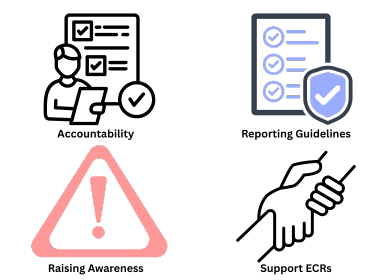
We provide training to educate researchers about academic culture issues and essential skills

Community
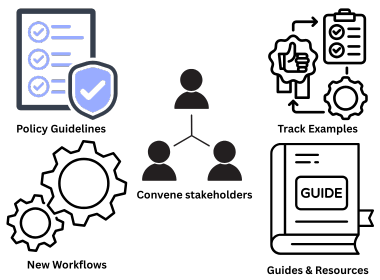
We bring people together for collective change and to create safe spaces

Resources and awareness
We create resources to help raise awareness of the problems and solutions to academic culture
Frequently Asked Questions
What is research culture?
Research culture encompasses the behaviours, values, expectations, attitudes and norms of research communities. It influences researchers’ career paths and determines the way that research is conducted and communicated.
What does culture change seek to influence?
Behaviours, values, expectations, rewards, attitudes and norms.
How does academic culture impact mental health and well-being?
Increasing pressures of research output, low pay, and poor work-life balance have led to rising mental health concerns among academics, undermining productivity and job satisfaction. Survey data suggests that academics suffer 6 times higher levels of anxiety and depression than the general population1. The issues are particularly prevalent amongst ECRs.
How is culture change achieved?
By focussing on people and empowering them to engage in change alongside creating incentives, new norms and infrastructure required to facilitate change.
What are the main challenges affecting academic culture today?
Academic culture is strained by hierarchical structures, excessive workloads, inadequate recognition, and a “publish or perish” mentality that contributes to burnout, mental health decline, and staff retention difficulties.
Why is diversity and inclusion important in academia?
A diverse and inclusive academic environment fosters innovation, broadens perspectives, and creates equitable opportunities, which are essential for advancing knowledge and supporting all scholars.
How does “publish or perish” affect academic culture?
This pressure can often lead to burnout, unethical or fraudulent research practices, and a focus on quantity rather than quality, which can diminish trust in science and hinder long-term academic success.
How can early-career researchers be better supported?
Providing robust mentorship, clear career pathways, mental health resources, and equitable access to funding and opportunities helps nurture the next generation of academics.
Who is most impacted by a poor academic culture?
The most impacted groups are ECRs and minority groups. White, able-bodied, men are least impacted1
How can academic institutions improve their culture?
Institutions can promote healthier cultures by prioritising mental health support, transparent communication, improved recognition systems, appropriately dealing with unacceptable behaviour and developing policies that value quality and integrity over quantity.

Join Us!
Join our community, sign up to our newsletter or collaborate with us
 Rippling Ideas